Surat Travel Guide 2026 – History, Culture, Famous Food, Tourist Places, Festivals & Things to Do
Introduction
Surat is a lively city in the Indian state of Gujarat, located along the Tapi River near the Arabian Sea. Known for its diamond industry, textile markets, historic trading heritage and delicious street food, Surat offers a fascinating combination of business, culture, history and modern city life.
Often called the Diamond City of India and the Silk City, Surat has developed into an important centre for diamond cutting and polishing, textiles, embroidery and trade. Its history as a major port brought merchants from different parts of the world, leaving behind a rich cultural legacy.
What Is Surat Famous For?
Surat is famous for its diamond industry, textile markets, historic port heritage, traditional food, Zari embroidery and colourful festivals. It is one of Gujarat’s most important commercial cities and has a distinctive local identity known as Surti culture.
Some of the city’s best-known attractions and experiences include:
Diamond industry: Surat is internationally recognised for diamond cutting and polishing.
Textile industry: The city is famous for sarees, dress materials, synthetic fabrics and embroidered textiles.
Surti cuisine: Locho, Ghari, Undhiyu and Surti Khaman are popular regional specialities.
Historic heritage: Surat Castle, Dutch Garden and other landmarks reflect the city’s trading past.
Dumas Beach: A popular coastal destination for local outings and sunset views.
Religious places: Ambika Niketan Temple and other religious sites attract visitors and devotees.
Festivals: Navratri, Uttarayan, Diwali and the local celebration of Chand Padvo are part of Surat’s cultural life.
Zari work: Traditional gold- and silver-coloured thread embroidery is an important part of the city’s textile heritage.
Historic port: Surat was once a major trading port connecting India with overseas markets.
How Did Surat Get Its Name?
The history of Surat is connected with the older settlement known as Suryapur. Historical accounts describe the city as an important settlement and trading centre that developed along the Tapi River.
The name Surat became established in historical records during the medieval period. Over time, the city grew into a major port where Indian and overseas merchants traded goods.
Some historical accounts also connect the development of the city with Malik Gopi, a merchant associated with the expansion of the settlement and Gopi Talav. However, the exact origin and evolution of the name are described differently in historical sources.
What Are the Famous Nicknames of Surat?
1. Diamond City of India
2. Silk City of India
3. Textile City
Which Languages Are Spoken in Surat?
Commonly spoken languages include:
Gujarati and Surti Gujarati
Hindi
English
Marathi
Sindhi
Marwari
Urdu
Telugu and other Indian languages within particular communities
Which Are the Most Famous Festivals of Surat?
1. Navratri
Navratri is one of the most popular festivals in Surat. The nine-night celebration is associated with devotion to the Goddess and traditional Gujarati dance.
2. Uttarayan
Uttarayan, celebrated on 14 January, is Gujarat’s famous kite festival.
3. Diwali
Diwali is celebrated with lamps, rangoli, sweets, decorations and family gatherings. Markets become busy as people shop for clothing, gifts, sweets and festive household items.
4. Holi
Holi marks the arrival of spring and is celebrated with colours, music and social gatherings. Visitors should follow local event rules and use safe, skin-friendly colours.
5. Ganesh Chaturthi
Ganesh Chaturthi is observed with prayers, decorations and community celebrations dedicated to Lord Ganesha.
6. Janmashtami
Janmashtami celebrates the birth of Lord Krishna. Temples and communities organise devotional singing, prayers and special programmes.
7. Chand Padvo
Chand Padvo is a distinctive local celebration associated with Surat. It is traditionally observed on the full-moon day following the Gujarati festival of Aso Sud Purnima, around the period of Sharad Purnima.
8. Eid
Eid is celebrated by Muslim communities with prayers, family gatherings, festive clothing and special meals. Surat’s diverse population contributes to the city’s varied cultural traditions.
What Are the Famous Folk Dances and Folk Theatre of Surat?
1. Garba
Garba is one of Gujarat’s best-known folk dances. Dancers traditionally move in circular formations, clapping to rhythmic music and devotional songs.
2. Dandiya Raas
Dandiya Raas is performed using decorated wooden sticks. Dancers move in coordinated patterns to the rhythm of traditional or contemporary Gujarati music.
3. Tippani Dance
Tippani is a traditional Gujarati folk dance associated with rhythmic movements and the use of long wooden tools. It is linked historically with community work traditions in parts of Saurashtra and Gujarat.
4. Bhavai Folk Theatre
Bhavai is a traditional Gujarati folk-theatre form that combines storytelling, humour, music and social commentary. Performances often use lively characters and dramatic presentation to entertain audiences while reflecting aspects of society.
5. Dayro
Dayro is a Gujarati storytelling and musical gathering featuring folk songs, stories, poetry, humour and oral traditions. It can be experienced at cultural events and community programmes.
What Is the Famous Food of Surat?
1. Locho
Locho is one of Surat’s signature street foods. It is a soft, steamed savoury snack generally prepared from a gram-flour-based mixture.
2. Surti Ghari
Surti Ghari is a rich traditional sweet associated with Surat. It is commonly made with a filling based on mawa, sugar and ghee, with varieties that may include nuts and saffron.
3. Surti Undhiyu
Undhiyu is a traditional Gujarati mixed-vegetable dish, especially associated with winter.
4. Surti Khaman
Surti Khaman is a soft, savoury snack made primarily from gram flour. It is often served with chutney, seasoning and garnishes.
5. Sev Khamani
Sev Khamani is a popular Surti snack made from crumbled or prepared gram-flour-based khaman, commonly topped with sev and other garnishes.
6. Locho with Chutney and Sev
Many local eateries offer Locho with different toppings. Depending on the shop, the dish may be served with butter, chutney, sev or additional spices.
7. Rasaawala Khaman
Rasaawala Khaman is a variation of khaman served with a flavourful liquid preparation or gravy. Recipes differ between vendors, so it is worth asking how a particular shop prepares it.
8. Sarasiya Khaja
Sarasiya Khaja is a regional savoury snack associated with Surat. It is worth looking for at traditional snack shops and local food markets.
9. Fafda-Jalebi
Fafda and jalebi are popular Gujarati snacks, particularly during festivals and special occasions. They can be found at many sweet shops and snack outlets across Surat.
10. Gujarati Thali
A Gujarati thali offers a broader introduction to the region’s cuisine. Depending on the restaurant and season, it may include:
Rotli or puri
Dal or kadhi
Seasonal vegetables
Rice or khichdi
Farsan
Chutney and pickles
Papad
Traditional sweets
What Should You Eat First in Surat?
If this is your first visit, start with Locho, Surti Ghari, Surti Khaman and Sev Khamani. If you visit in winter, look for Undhiyu. These dishes provide a useful introduction to the city’s distinctive food culture.
Which Art and Handicrafts Are Famous in Surat?
1. Zari Work
Zari work is one of Surat’s best-known traditional crafts. It uses metallic-looking threads to create decorative patterns on clothing, sarees, borders and other textiles.
Zari embroidery has been used in festive clothing, bridal garments and traditional designs.
2. Embroidered Textiles
Surat’s textile markets offer a broad range of embroidered fabrics, dress materials and decorative clothing. Designs vary from traditional patterns to contemporary styles.
3. Sarees and Dress Materials
The city is famous for its wide selection of sarees, synthetic fabrics, festive clothing and dress materials. Wholesale and retail textile markets attract buyers from different parts of India.
4. Bandhani Textiles
Bandhani is a traditional tie-dye textile technique practised in Gujarat and other parts of western India. It produces distinctive dotted patterns through carefully tied and dyed fabric.
5. Traditional Jewellery and Accessories
Local markets also sell jewellery and accessories suitable for weddings, festivals and traditional outfits.
What Is the Traditional Dress of Surat?
Traditional Dress for Women
Traditional Gujarati women’s clothing includes:
Chaniya choli
Ghagra choli
Sarees
Bandhani sarees
Embroidered dupattas
Traditional jewellery
Traditional Dress for Men
Traditional Gujarati men’s clothing may include:
Kediyu
Chorno
Dhoti
Kurta
Pajama
Traditional headwear
Which Are the Most Famous Pilgrimage Places in Surat?
1. Ambika Niketan Temple
Ambika Niketan Temple is a well-known temple dedicated to Ambika Devi. It is an important devotional destination in Surat and attracts worshippers throughout the year.
2. ISKCON Temple, Surat
The ISKCON temple is associated with devotion to Lord Krishna and the International Society for Krishna Consciousness.
3. Chintamani Jain Temple
Chintamani Jain Temple is a historic Jain religious site in Surat, known for its religious significance and traditional decorative features.
4. Swaminarayan Temple
Swaminarayan temples in and around Surat provide places for prayer and community activities. Specific locations and visiting hours should be checked before travelling.
5. Sai Baba Temples
Several Sai Baba temples serve devotees across Surat. These are generally local places of worship rather than major sightseeing monuments, so choose a location convenient to your itinerary.
6. Nearby Religious Destination: Dandi
Dandi is best known for its connection with Mahatma Gandhi’s 1930 Salt March. The coastal area is historically important and can be combined with a broader trip through the region.
What Are the Best Tourist Places to Visit in Surat?
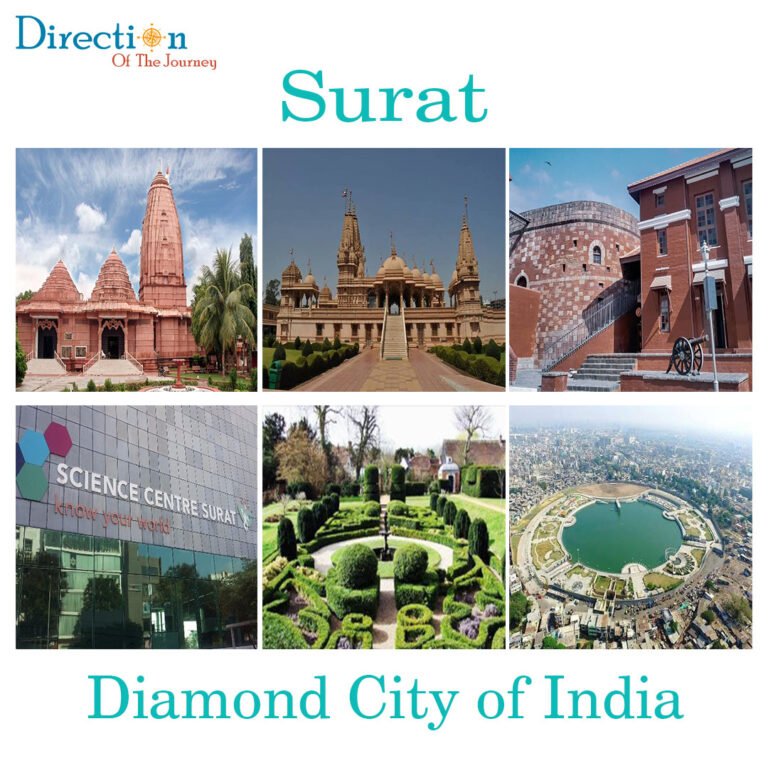
1. Surat Castle (Old Fort)
Surat Castle is one of the city’s important historical landmarks. The fort was constructed in the 16th century to help defend the city against attacks.
2. Dutch Garden
Dutch Garden is a historic garden area associated with the European trading communities that once operated in Surat.
3. Dumas Beach
Dumas Beach is one of the best-known coastal attractions near Surat, located southwest of the city.
4. Sardar Vallabhbhai Patel Museum and Planetarium
This museum and planetarium provide an opportunity to learn about history, science and educational exhibits.
5. Gopi Talav
Gopi Talav is a historic lake area associated with Malik Gopi and the development of Surat during the early 16th century.
6. Ambika Niketan Temple
Ambika Niketan Temple is an important religious attraction dedicated to Ambika Devi.
7. Sarthana Nature Park
Sarthana Nature Park is a nature and wildlife attraction in Surat, known for its landscaped areas and animal exhibits.
8. Science Centre, Surat
The Science Centre is an educational attraction with science-related exhibits and facilities for learning. Depending on the current programme, visitors may also find planetarium or other educational experiences.
9. Dandi
Dandi is a historically important coastal destination associated with the Salt March of 1930, led by Mahatma Gandhi as part of India’s independence movement.
10. Hajira Beach
Hajira is a coastal destination near Surat. It offers a change of scenery from the busy city, although access and facilities can vary by location.
11. Suvali Beach
Suvali Beach is another coastal option in the wider Surat region. It is known for its shoreline and quieter atmosphere compared with busier urban areas.
12. Dumas and Nearby Coastal Food Stalls
The Dumas area is also a popular place to explore local snacks and refreshments. Visitors may find food stalls serving items such as bhajiya, gathiya and other regional favourites.
Which Activities Can You Do in Surat?
1. Enjoy a Surti Food Tour
Try local favourites such as Locho, Ghari, Undhiyu, Sev Khamani and Surti Khaman. You can visit different eateries to compare how each place prepares these dishes.
2. Explore Textile Markets
Browse sarees, dress materials, embroidered fabrics and traditional clothing. Surat’s textile markets are especially interesting for visitors who enjoy fashion and fabric shopping.
3. Learn About the Diamond Industry
Surat’s diamond industry is a major part of its identity. Learn about its role in the city’s economy through reputable educational material and authorised visitor experiences where available.
Do not assume that every diamond-processing facility is open to tourists.
4. Discover Historic Surat
Visit Surat Castle, Dutch Garden and Gopi Talav to understand different periods of the city’s trading and urban history.
5. Visit Dumas Beach
Spend an evening enjoying coastal views, trying local snacks and watching the sunset when weather and conditions permit.
6. Experience Navratri
If you visit during Navratri, attend an organised Garba or Dandiya event. Check ticketing, dress guidance, event timings and transport arrangements in advance.
7. Celebrate Uttarayan
If you visit in January, experience the kite-flying atmosphere and enjoy traditional seasonal snacks. Follow local safety guidance around rooftops, roads and kite strings.
8. Visit Museums and the Science Centre
Museums and educational attractions are useful options for families and visitors interested in history, science and culture.
9. Explore Local Markets
Browse local food shops, clothing stores and traditional markets. Shopping can be an enjoyable way to understand Surat’s commercial culture.
10. Take a Day Trip to Dandi
Explore the historical significance of Dandi and learn more about the Salt March and India’s freedom movement.
When Is the Best Time to Visit Surat?
October to November
This period can be suitable for exploring historical attractions, markets and religious places. It may also coincide with Navratri or Diwali, depending on the year.
If you want to attend a festival, confirm its exact dates before booking accommodation.
December to February
Winter is generally a comfortable time for sightseeing, food tours, shopping and coastal excursions.
It is also a good period to explore the city’s outdoor attractions without the intense heat often experienced in summer.
March
March can still be suitable for sightseeing, although temperatures begin to rise. Plan outdoor activities earlier in the day and take breaks when needed.
Frequently Asked Questions About Surat
What Is Surat Most Famous For?
Surat is most famous for its diamond-cutting and polishing industry, textile markets, Zari work, historic trading heritage and Surti cuisine.
Why Is Surat Called the Diamond City of India?
Surat is called the Diamond City of India because it has a major diamond-cutting and polishing industry, with many businesses involved in processing and trading diamonds.
Why Is Surat Called the Silk City?
Surat is called the Silk City because of its important textile industry, which produces and trades sarees, dress materials, synthetic fabrics and embroidered textiles.
What Is the Famous Food of Surat?
Popular Surti foods include Locho, Surti Ghari, Undhiyu, Surti Khaman, Sev Khamani and other local snacks.
Which Festival Is Famous in Surat?
Navratri is one of the city’s best-known festivals, with Garba and Dandiya Raas celebrations. Uttarayan and Chand Padvo are also important to local culture.
What Are the Best Places to Visit in Surat?
Popular attractions include Surat Castle, Dutch Garden, Dumas Beach, Gopi Talav, Ambika Niketan Temple, the Sardar Vallabhbhai Patel Museum and Science Centre.
What Is the Best Time to Visit Surat?
October to March is generally a comfortable time to visit Surat for sightseeing, food experiences and outdoor activities.
Is Surat Good for a Family Trip?
Yes. Families can enjoy museums, the Science Centre, Gopi Talav, gardens, food experiences and selected coastal excursions. Check current opening hours and facilities before visiting.
How Many Days Are Enough for Surat?
Two days are suitable for a first visit covering several city attractions. Three days allow additional time for shopping, food experiences and nearby coastal destinations.
What Can I Buy in Surat?
Surat is known for sarees, dress materials, embroidered fabrics, Zari work and other textile products. Compare fabric quality and prices before buying.