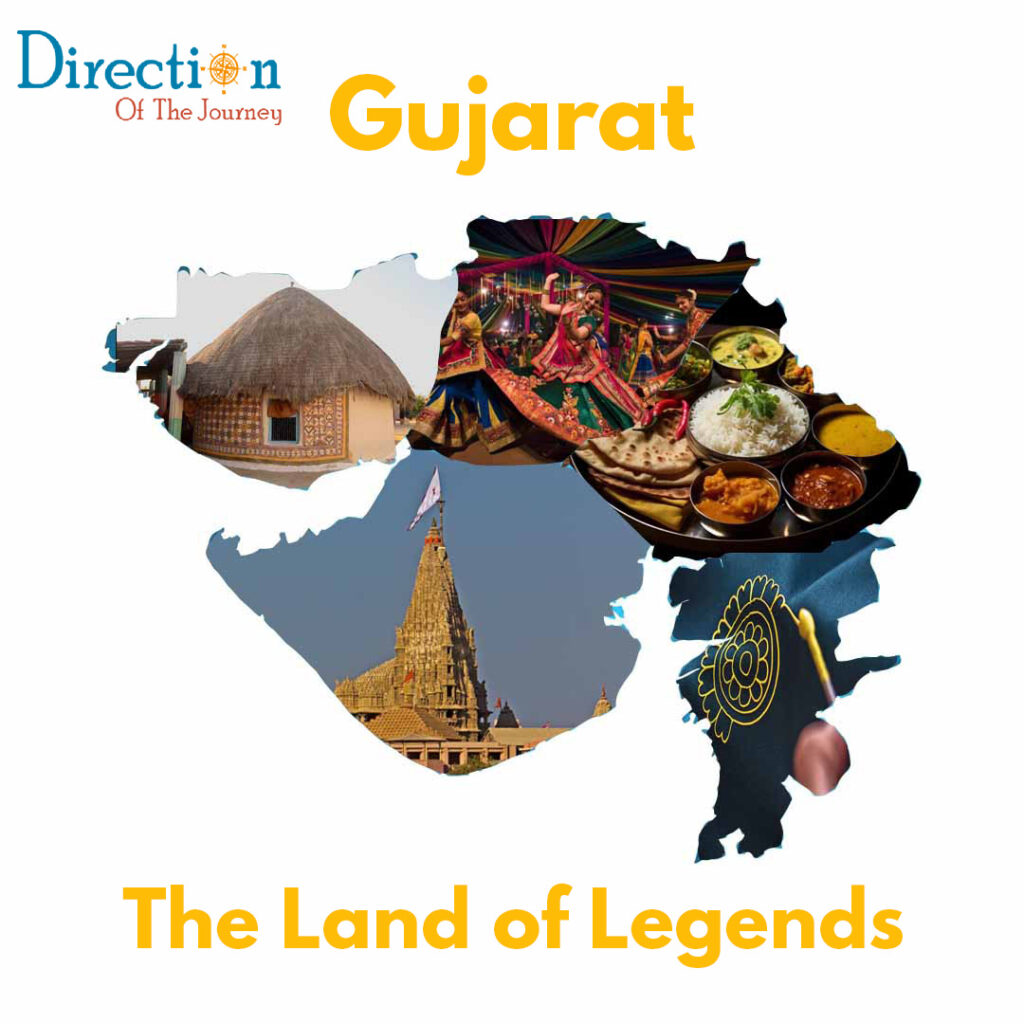
Gujarat – The Land of Legends, Culture, and Endless Celebrations & Gujarat About Information
1. How did Gujarat get its name?
The name Gujarat comes from the ancient word “Gurjaratra,” which means “The Land of the Gurjars.” The Gurjars were a powerful pastoral and warrior community that ruled large parts of western India between the 6th and 12th centuries CE. Over time, Gurjaratra gradually evolved into the modern name Gujarat.
2. What are the nickname of Gujarat?
- Jewel of Western India
- Land of Legends
- Land of Lions
- Cultural Capital of Western India
- Business Hub of India
3. Geography of Gujarat
Situated on the western coast of India, Gujarat is known for its incredibly diverse geography. The state can be divided into three major geographical regions:
1. Kutch Region
The northwestern part of Gujarat contains the famous Rann of Kutch, a vast white salt desert that transforms into a surreal landscape after the monsoon season.
2. Saurashtra Peninsula
Also known as Kathiawar, this region features rocky hills, dry forests, coastal towns, and historical temples.
3. Mainland Gujarat
The eastern plains are fertile and densely populated due to rivers like:
- Narmada
- Tapi
- Mahi
- Sabarmati
These rivers flow westward into the Gulf of Khambhat and support agriculture, industries, and urban development.
Borders of Gujarat
Gujarat shares its borders with:
- Arabian Sea (West)
- Pakistan (Northwest)
- Rajasthan (North)
- Madhya Pradesh (East)
- Maharashtra (South)
Highest Point
The sacred Girnar Hills are among the highest and most spiritually important mountain ranges in the state.
4. Culture of Gujarat
Gujarati culture is colorful, energetic, deeply spiritual, and strongly connected to traditions. The state is famous for:
- Vibrant festivals
- Folk music and dance
- Traditional textiles
- Rich vegetarian cuisine
- Ancient temples and crafts
Hospitality is a major part of Gujarati life, and the phrase “Atithi Devo Bhava” (Guest is God) is strongly reflected in local traditions.
5. What Languages are spoken in Gujarat?
Major Languages and Dialects
- Standard Gujarati – Widely spoken in Ahmedabad and Gandhinagar.
- Surati – Popular in Surat and South Gujarat.
- Charotari – Spoken in Anand and Kheda regions.
- Kathiawari – Common across Saurashtra.
- Kutchi – Spoken in Kutch and closely related to Sindhi.
- Hindi – Widely understood across urban areas.
- English – Common in business and education sectors.
- Marathi – Spoken near Maharashtra-bordering districts.
6. Which Festivals are celebrated in Gujarat?
Navratri
Navratri is Gujarat’s most iconic festival and is considered the world’s longest dance festival. For nine nights, people perform Garba and Dandiya Raas in colorful traditional attire.
Uttarayan – International Kite Festival
Celebrated on January 14, Uttarayan fills the sky with millions of colorful kites. Rooftops across Gujarat become lively celebration spots with music and food.
Rann Utsav
Held in the white desert of Kutch during winter, this cultural festival showcases:
Folk music
Luxury tent stays
Local handicrafts
Desert adventures
Tarnetar Mela
A traditional tribal fair famous for embroidered umbrellas, folk performances, and matchmaking customs.
Shamlaji Melo
A major tribal and religious fair held near the Rajasthan border during Kartik Purnima.
7.Folk Dances and Folk Theatre
Famous Folk Dances
Garba
Dandiya Raas
Tippani Dance
Padhar Dance
Siddi Dhamal
Bhavai – Folk Theatre
Bhavai is Gujarat’s traditional folk theatre form combining:
Music
Dance
Comedy
Social storytelling
It is performed in open-air settings and has entertained rural communities for centuries.
8.Famous Food of Gujarat
Gujarati cuisine is famous for balancing sweet, spicy, sour, and salty flavors in one meal.
Gujarati Thali
A traditional Gujarati Thali includes:
Rotli, Bhakri, Shaak, Kadhi, Dal, Rice, Chhas,Pickles, Sweets
Popular Gujarati Dishes
Khaman, Dhokla, Khandvi, Thepla, Fafda, Jalebi, Patra, Undhiyu, Locho, Dabeli, Khichdi
Famous Gujarati Sweets
Shrikhand, Mohanthal, Basundi, Aam Ras
9. Arts and Handicrafts of Gujarat
Gujarat is globally admired for its artistic traditions and handcrafted textiles.
Famous Handicrafts
Patan Patola
Bandhani Tie-Dye
Ajrakh Block Printing
Rogan Art
Kutch Embroidery
Tangaliya Shawls
Mata ni Pachhedi
Sankheda Furniture
Agate Stone Craft
Kutch Copper Bells
10. Traditional Dress of Gujarat
1. Women’s Traditional Dress
Chaniya Choli
The most famous festive attire worn during Navratri featuring:
Embroidered flared skirt
Decorative blouse
Mirror-work dupatta
Gujarati Saree Style
Known as Seedha Pallu, the saree drape brings the pallu to the front, highlighting intricate embroidery.
2. Men’s Traditional Dress
Kediyu and Chorno
Traditional dance attire designed for comfort and movement during Garba performances.
Dhoti-Kurta
Simple yet elegant attire commonly worn in villages and religious ceremonies.
11. Pilgrimage Sites in Gujarat
Gujarat is one of India’s most important spiritual destinations.
Major Pilgrimage Places
Dwarkadhish Temple
Somnath Temple
Palitana Temples
Ambaji Temple
Pavagadh Hill
Akshardham Temple
These sacred destinations attract millions of pilgrims every year.
Best Tourist Places in Gujarat
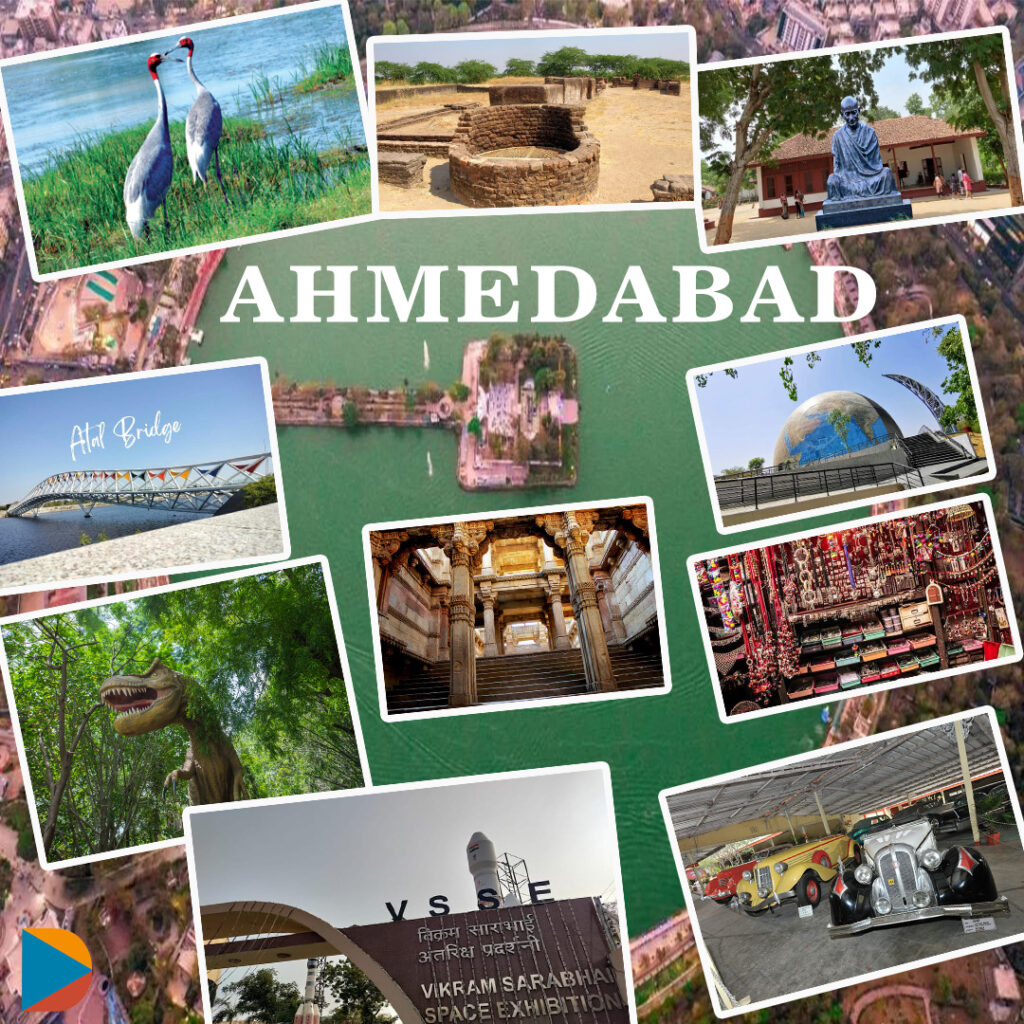
Statue of Unity
Rani Ki Vav
Modhera Sun Temple
Rann of Kutch
Gir National Park
Somnath Temple
Dwarkadhish Temple
Best Time to Visit Gujarat
Winter (October to March) – Best Season
This is the ideal time for tourism because:
Weather remains cool and pleasant
Rann Utsav takes place during this period
Wildlife safaris become more comfortable
Festivals like Navratri and Uttarayan are celebrated grandly
Monsoon (July to September)
The landscape becomes lush green and beautiful, especially near:
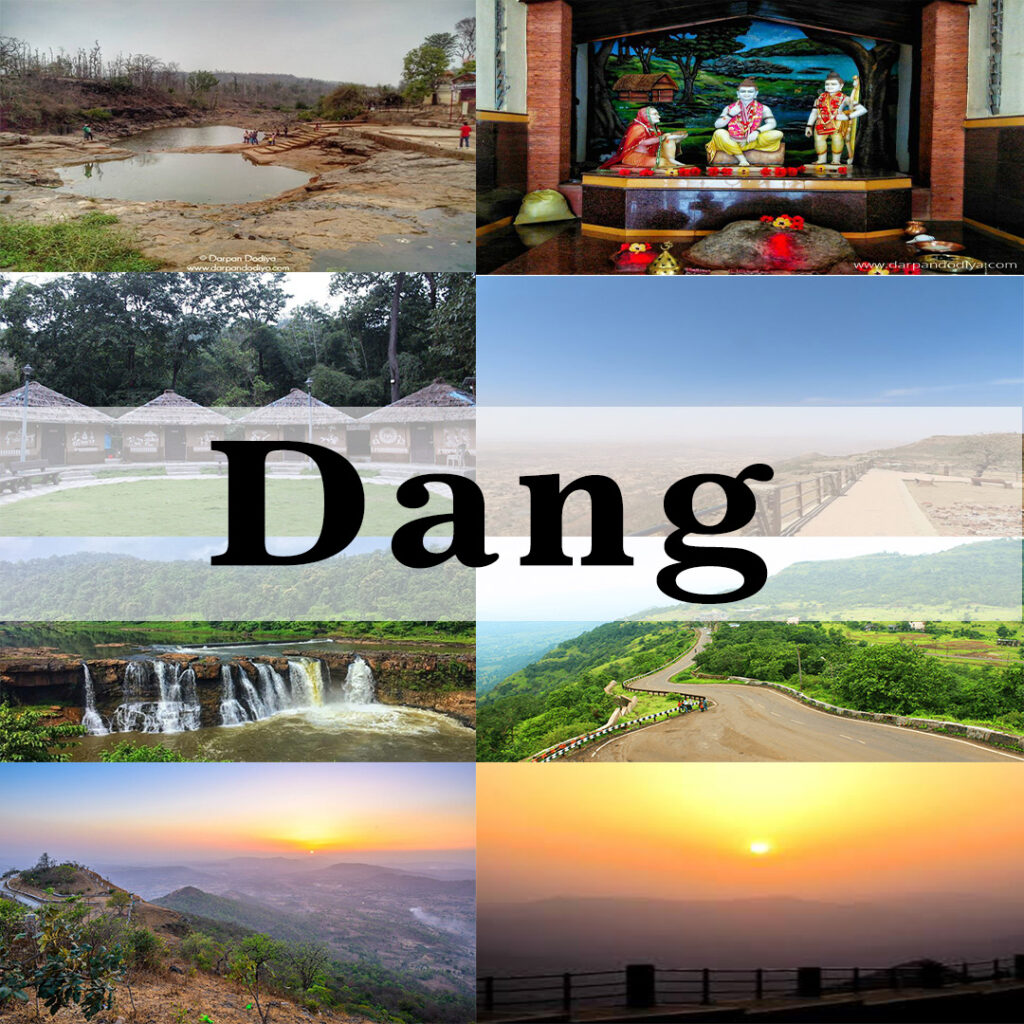
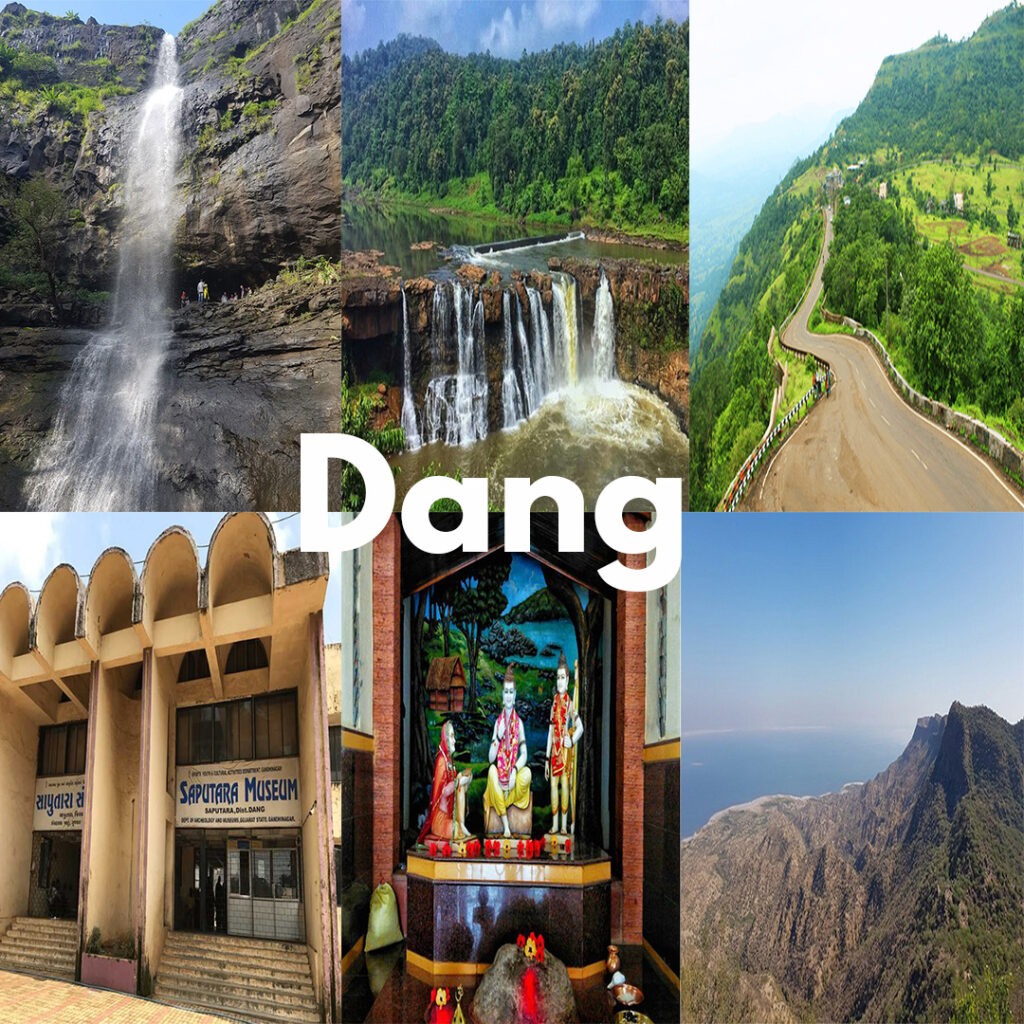
Saputara
Gir forests
Narmada region
Summer (April to June)
Summers are extremely hot, especially in:
Ahmedabad
Kutch
Patan
Conclusion
Gujarat is a fascinating blend of spirituality, heritage, colorful traditions, delicious cuisine, ancient architecture, wildlife, and modern development. From the glowing white deserts of Kutch to the sacred shores of Somnath and Dwarka, every corner of Gujarat tells a story of history, culture, resilience, and celebration.