Manipur Travel Guide 2026: Famous Places, Culture, Food, Festivals, History & Best Time to Visit
What Is Manipur Famous For?
Manipur is famous for:
- Loktak Lake, the largest freshwater lake in Northeast India
- Floating islands (Phumdis)
- Sangai Deer (State Animal)
- Classical Manipuri Dance
- Polo (Sagol Kangjei), believed to have originated here
- Rich tribal culture
- Handwoven textiles
- Bamboo and cane handicrafts
- Scenic hills and valleys
- Keibul Lamjao National Park
The state is also known for its warm hospitality, colorful festivals, and traditional arts.
How Did Manipur Get Its Name?
The name Manipur comes from two Sanskrit words:
- Mani = Jewel
- Pur = Land or City
Thus, Manipur literally means “Land of Jewels.”
According to Hindu mythology, Lord Shiva and Goddess Parvati visited this beautiful valley and named it Manipur because of its extraordinary beauty.
What Are the Famous Nicknames of Manipur?
Manipur is popularly known as:
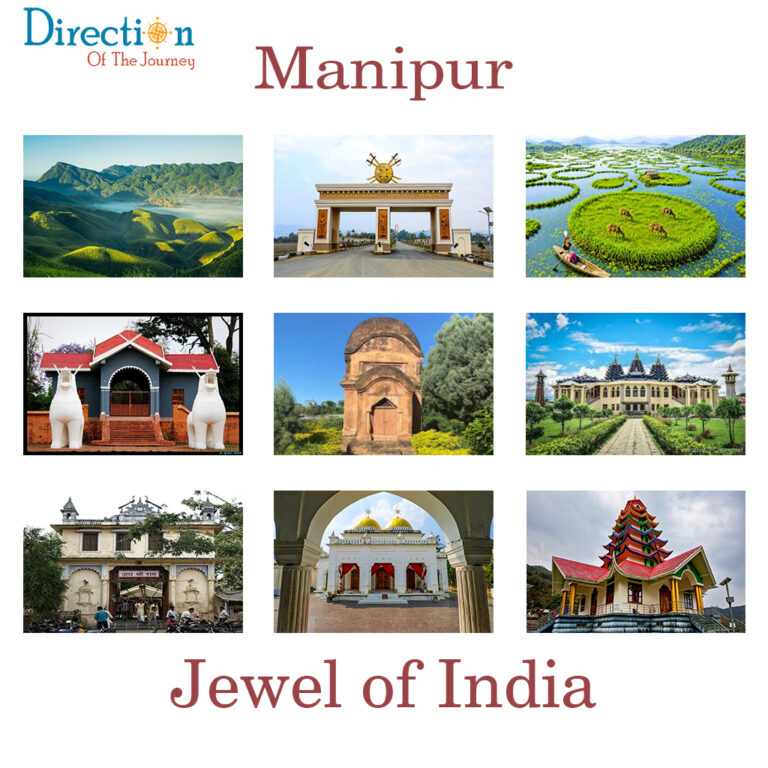
Jewel of India
Because of its breathtaking landscapes and rich biodiversity.
Switzerland of the East
For its rolling green hills and pleasant climate.
Land of Festivals
As numerous traditional festivals are celebrated throughout the year.
Birthplace of Polo
Modern Polo is believed to have evolved from the traditional Manipuri game called Sagol Kangjei.
Which Languages Are Spoken in Manipur?
Official Language
- Meitei (Manipuri)
Other Languages
- English
- Tangkhul
- Thadou
- Paite
- Hmar
- Rongmei
- Mao
- Poumai
- Kabui
- Various tribal dialects
Meitei is written in the ancient Meitei Mayek script, which has been revived in recent years.
Which Are the Most Famous Festivals of Manipur?
Yaoshang
The biggest festival, celebrated like Holi with sports and cultural events.
Lai Haraoba
An ancient festival honoring local deities through rituals and dance.
Ningol Chakouba
A unique family festival where married daughters are invited home.
Cheiraoba
Traditional Manipuri New Year celebration.
Kang Festival
The famous Rath Yatra celebrated by Vaishnavites.
Kut Festival
Harvest festival celebrated mainly by tribal communities.
Christmas
Widely celebrated in hill districts.
What Are the Famous Folk Dances and Folk Theatre of Manipur?
Manipuri Classical Dance
One of India’s eight classical dance forms.
Ras Lila
Depicts the divine love story of Lord Krishna and Radha.
Pung Cholom
Energetic drum dance performed by skilled artists.
Thang Ta
Traditional martial art combining sword and spear techniques.
Khamba Thoibi Dance
A romantic folk dance inspired by legendary lovers.
Folk Theatre
- Shumang Leela
- Wari Leeba (Storytelling tradition)
What Is the Famous Food of Manipur?
Eromba
Mashed vegetables with fermented fish.
Chamthong (Kangshoi)
Nutritious vegetable stew.
Nga Thongba
Traditional fish curry.
Singju
Spicy vegetable salad.
Paknam
Steamed gram flour cake wrapped in leaves.
Chak-Hao Kheer
Black rice pudding.
Kabok
Traditional puffed rice snack.
Which Art and Handicrafts Are Famous in Manipur?
- Bamboo crafts
- Cane furniture
- Kauna grass products
- Handwoven shawls
- Phanek weaving
- Silk textiles
- Pottery
- Wood carving
- Tribal jewelry
- Black pottery
What Is the Traditional Dress of Manipur?
Women
- Phanek
- Innaphi
- Potloi (Bridal attire)
Men
- Dhoti
- Kurta
- White Pagri (Turban)
- Traditional shawls
Traditional costumes are especially colorful during festivals and dance performances.
Which Are the Most Famous Pilgrimage Places in Manipur?
Shri Govindajee Temple
The most famous Hindu temple in Imphal.
Mahabali Hanuman Temple
Popular among devotees throughout the year.
Sanamahi Temple
Dedicated to the indigenous deity Sanamahi.
ISKCON Temple Imphal
A peaceful Vaishnavite temple.
Vishnu Temple
Historic temple with cultural importance.
What Are the Best Tourist Places to Visit in Manipur?
Loktak Lake
India’s only floating lake.
Keibul Lamjao National Park
The world’s only floating national park and home of the endangered Sangai deer.
Imphal
Capital city rich in history and culture.
Kangla Fort
Historic symbol of Manipur’s royal heritage.
Ima Keithel (Mothers’ Market)
The world’s largest all-women market.
Andro Village
Known for pottery and traditional culture.
Dzukou Valley
A paradise for trekkers located on the Manipur-Nagaland border.
Shirui Hills
Famous for the rare Shirui Lily.
Khongjom War Memorial
Honors the brave soldiers of the Anglo-Manipur War.
Moreh
India’s gateway to Myanmar.
When Is the Best Time to Visit Manipur?
October to March (Best Season)
- Pleasant weather
- Sightseeing
- Trekking
- Festivals
- Wildlife viewing
April to June
Ideal for nature lovers with blooming flowers.
July to September
Monsoon transforms the landscape into lush greenery but may affect travel plans due to heavy rainfall.
Travel Tips for Manipur
Respect Local Customs
Many communities follow unique traditions and cultural practices.
Carry Cash
Digital payment facilities may be limited in remote villages.
Pack Comfortable Clothing
Carry light woollens during winter and rain gear during the monsoon.
Try Local Cuisine
Explore authentic Manipuri dishes from local eateries.
Hire Local Guides
They provide valuable cultural insights and help explore offbeat destinations.
Frequently Asked Questions (FAQs)
Is Manipur safe for tourists?
Yes, many tourist destinations are open to visitors, but always check the latest travel advisories and follow local guidelines before planning your trip.
Why is Loktak Lake famous?
It is famous for its floating islands called Phumdis and the unique floating Keibul Lamjao National Park.
What is the state animal of Manipur?
The endangered Sangai Deer, also known as the dancing deer.
Which dance is famous in Manipur?
Manipuri Classical Dance and Ras Lila are world-famous.
What should I buy in Manipur?
Handwoven shawls, bamboo crafts, Kauna grass products, Phanek, pottery, and traditional textiles.