Somnath Travel Guide 2026 – History, Famous Temple, Culture, Food, Tourist Places & Things to Do
Introduction
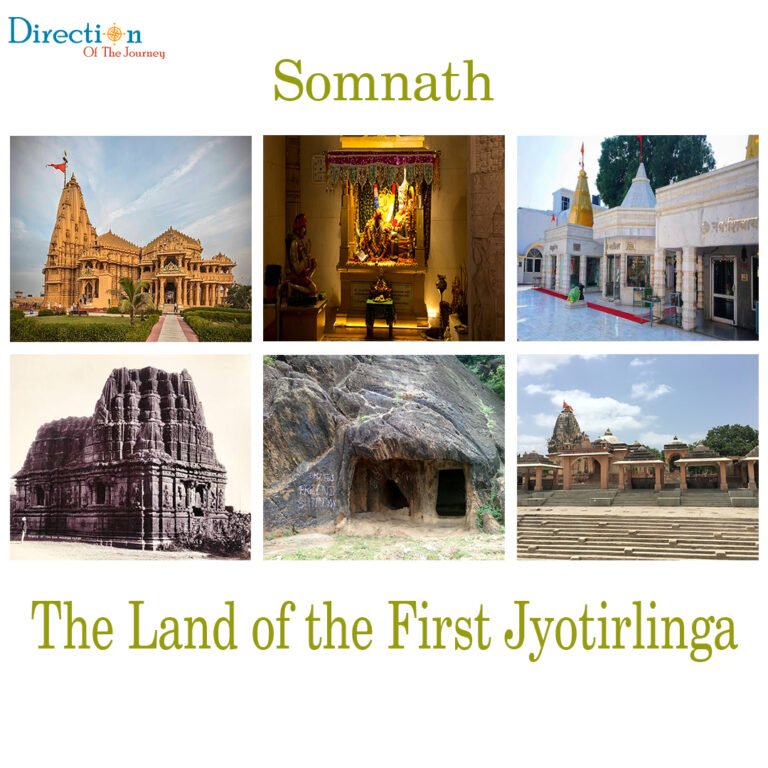
Somnath is one of the most famous pilgrimage destinations in Gujarat, India. Located at Prabhas Patan near Veraval in Gir Somnath district, this coastal destination is known for the sacred Somnath Temple, its connection with Lord Shiva, its ancient history and its beautiful setting beside the Arabian Sea.
The Somnath Temple is revered as the first among the twelve Jyotirlingas of Lord Shiva. The temple has been reconstructed several times throughout history, and the present structure was completed in 1951 following India’s Independence. Its traditional architecture, intricate stonework and seaside location make it an important religious and heritage attraction.
Whether you are planning a spiritual journey, a family holiday or a cultural trip through Gujarat, this Somnath travel guide will help you discover the area’s history, festivals, famous food, pilgrimage sites, tourist attractions and practical travel tips.
What Is Somnath Famous For?
1. Somnath Jyotirlinga Temple
2. Ancient Religious History
3. Arabian Sea Coastline
4. Triveni Sangam
5. Bhalka Tirth
6. Gujarati Food
7. Religious Festivals
8. Historic Architecture
How Did Somnath Get Its Name?
The name Somnath is traditionally associated with Lord Shiva and the Moon God, known as Soma or Chandra in Hindu traditions.
According to Hindu mythology, the Moon God was affected by a curse and lost his brightness. He is believed to have worshipped Lord Shiva at this sacred location and regained his radiance through divine blessings.
This story is connected with the name Somnath, commonly interpreted as “Lord of the Moon.”
What Does Somnath Mean?
The name is generally understood through two elements:
Soma: The Moon God in Hindu tradition.
Nath: Lord or master.
Together, Somnath is traditionally interpreted as “Lord of the Moon.”
What Are the Famous Nicknames of Somnath?
Somnath does not have a widely established official civic nickname comparable to the “Diamond City” label used for Surat. However, the town and its temple are known through several religious and cultural descriptions.
1. The Land of the First Jyotirlinga
Somnath is often described as the home of the first Jyotirlinga because its temple is traditionally placed first among the twelve Jyotirlingas of Lord Shiva.
2. The Eternal Shrine
The temple is sometimes described in cultural and devotional writing as an enduring or eternal shrine because it has been rebuilt across different historical periods and continues to be a major centre of worship.
Which Languages Are Spoken in Somnath?
Gujarati is the main language spoken in Somnath and the wider Gir Somnath district. The local language reflects the traditions of the Saurashtra region.
Other languages visitors may encounter include:
Gujarati
Hindi
English
Which Are the Most Famous Festivals of Somnath?
1. Maha Shivratri
Maha Shivratri is one of the most important festivals celebrated at Somnath.
Dedicated to Lord Shiva, the festival usually falls in February or March, depending on the Hindu lunar calendar.
Devotees visit the temple to offer prayers, participate in worship and seek blessings. The temple area can become especially busy during the festival.
2. Shravan Month Celebrations
Shravan is considered an especially sacred month for many devotees of Lord Shiva.
During this period, pilgrims visit Shiva temples, offer water and prayers, and participate in religious observances. Special arrangements may take place on Mondays and other important dates.
3. Kartik Purnima
Kartik Purnima is an important religious occasion associated with the full moon in the Hindu month of Kartik.
Somnath has a tradition of religious observances and fairs around Kartik Purnima. Events may include worship, devotional programmes and gatherings of pilgrims.
4. Janmashtami
Janmashtami celebrates the birth of Lord Krishna. Religious communities mark the occasion with prayers, devotional songs and special programmes.
The wider Prabhas Patan region is associated with traditions connected with Lord Krishna’s final earthly journey.
5. Diwali
Diwali is celebrated with lamps, decorations, sweets and family gatherings. Shops and homes may be decorated, and the festival brings a festive atmosphere to the wider region.
6. Navratri
Navratri is celebrated across Gujarat with devotion, music and traditional dance. Garba and Dandiya Raas events may be held in nearby towns and communities.
The scale and location of local events vary, so check listings if attending a particular programme is important to your trip.
7. Holi
Holi is a spring festival celebrated with colours and community gatherings in many parts of Gujarat.
Visitors should follow local event guidance and use safe colours if participating.
What Are the Famous Folk Dances and Folk Theatre of Somnath?
1. Garba
Garba is one of Gujarat’s most recognisable folk dances. Dancers traditionally move in circles while clapping to rhythmic music and singing devotional songs.
2. Dandiya Raas
Dandiya Raas is a traditional group dance performed with decorated wooden sticks. Dancers move in coordinated patterns to the rhythm of Gujarati folk or festive music.
3. Dhamal Dance
Dhamal is a traditional dance form associated with parts of Gujarat, including the wider Gir region. Its lively rhythms and energetic movements make it an interesting example of the region’s cultural diversity.
Performances are more likely to be encountered at cultural programmes or special events than during an ordinary sightseeing visit.
4. Bhavai Folk Theatre
Bhavai is a traditional Gujarati folk-theatre form that combines acting, storytelling, music and humour. Performances can include social themes and colourful characters.
Bhavai is a regional art form rather than a performance exclusive to Somnath.
5. Dayro and Folk Music
Dayro is a Gujarati storytelling and musical gathering featuring folk songs, poetry, stories and humour. It is an important part of community culture in many parts of Saurashtra.
What Is the Famous Food of Somnath?
Somnath is a good place to explore Gujarati and Kathiyawadi cuisine, including traditional thalis, breads, vegetable dishes, snacks and sweets.
1. Gujarati Thali
A Gujarati thali is a good introduction to the region’s food culture. Depending on the restaurant, it may include:
Rotli or puri
Dal
Kadhi
Seasonal vegetables
Rice or khichdi
Farsan
Chutney and pickles
Papad
A sweet dish
Chaas
2. Kathiyawadi Thali
Kathiyawadi cuisine is associated with the Saurashtra region. A meal may include bajra rotla, vegetable preparations, garlic chutney, curd or buttermilk, and other regional accompaniments.
Recipes and spice levels vary by restaurant.
3. Bajra Rotla
Bajra rotla is a traditional flatbread made from pearl millet flour. It is commonly served with vegetables, chutneys, garlic preparations or other accompaniments.
It is a useful dish to try when exploring the food traditions of Saurashtra.
4. Sev Tameta
Sev tameta is a Gujarati curry made with tomatoes and spices, usually topped with sev. It is commonly enjoyed with rotli or other breads.
5. Dhokla
Dhokla is a popular Gujarati snack prepared using a fermented or otherwise prepared gram-flour or lentil-based batter, depending on the variety.
It is often served with chutney and a light seasoning.
6. Khaman
Khaman is a soft, savoury gram-flour snack, usually served with chutney and garnishes. It is widely available in Gujarat.
7. Fafda-Jalebi
Fafda and jalebi are well-known Gujarati snacks. The combination of a savoury, crispy snack and a sweet dessert is especially popular at breakfast and during festive occasions.
8. Shrikhand
Shrikhand is a sweet dish made from strained yoghurt, sugar and flavourings such as cardamom or saffron. It is commonly enjoyed as a dessert in Gujarat.
9. Chaas
Chaas, or spiced buttermilk, is a refreshing drink often served with Gujarati meals.
10. Coastal Food Around Veraval
Veraval is a significant fishing port near Somnath. Travellers exploring the wider coastal area may find seafood in establishments that serve it. However, food practices vary by location, and vegetarian options are widely available in the pilgrimage area.
Which Art and Handicrafts Are Famous in Somnath?
1. Gujarati Embroidery
Traditional Gujarati embroidery features colourful threads, decorative patterns and, in some styles, mirror work.
Visitors may find embroidered garments, bags and decorative textiles in shops selling regional crafts.
2. Bandhani Textiles
Bandhani is a traditional tie-dye technique associated with Gujarat and other parts of western India. The fabric is tied into small sections before dyeing to create distinctive patterns.
Bandhani dupattas, sarees and garments can make attractive souvenirs.
3. Traditional Gujarati Clothing
Regional clothing, including embroidered garments, chaniya cholis, dupattas and traditional accessories, may be available in shops serving pilgrims and tourists.
4. Religious Souvenirs
Visitors can find items such as small devotional pictures, prayer accessories and religious keepsakes around pilgrimage destinations. Choose items from reputable shops and compare quality before buying.
5. Temple-Inspired Craftwork
Carved designs, decorative motifs and traditional architectural patterns are part of Gujarat’s wider artistic heritage. Souvenirs inspired by temple architecture may be available in local markets.
What Is the Traditional Dress of Somnath?
Traditional Dress for Women
Traditional Gujarati women’s clothing may include:
Chaniya choli
Ghagra choli
Saree
Bandhani saree
Embroidered dupatta
Traditional jewellery
Traditional Dress for Men
Traditional Gujarati men’s clothing may include:
Kediyu
Chorno
Dhoti
Kurta
Pajama
Traditional headwear
Which Are the Most Famous Pilgrimage Places in Somnath?
1. Somnath Temple
The Somnath Temple is the main pilgrimage attraction in the area and is dedicated to Lord Shiva.
2. Triveni Sangam
Triveni Sangam is a sacred site traditionally associated with the meeting of the Hiran, Kapila and Saraswati rivers.
3. Bhalka Tirth
Bhalka Tirth is associated with the tradition that Lord Krishna was struck by an arrow from a hunter named Jara.
4. Dehotsarg Tirth
Dehotsarg Tirth is connected with the Hindu tradition concerning Lord Krishna’s departure from his earthly life.
5. Gita Temple
The Gita Temple is a religious attraction dedicated to the teachings of the Bhagavad Gita and associated with the wider pilgrimage landscape of Somnath.
6. Surya Temple, Prabhas Patan
The historic Surya Temple is associated with the worship of the Sun God. It offers another point of interest for visitors exploring the religious and architectural heritage of Prabhas Patan.
7. Panch Pandav Gufa
Panch Pandav Gufa, or the Pandava Cave, is a small religious site associated with traditions about the Pandavas from the Mahabharata.
8. Prachi Tirth
Prachi Tirth is an important religious site in the wider Gir Somnath district, associated with sacred traditions and riverbank worship.
What Are the Best Tourist Places to Visit in Somnath?
1. Somnath Temple
2. Somnath Seafront
3. Triveni Sangam
4. Bhalka Tirth
5. Dehotsarg Tirth
6. Gita Temple
7. Prabhas Patan Museum
8. Surya Temple
9. Panch Pandav Gufa
10. Veraval Fishing Harbour
11. Diu
12. Gir National Park and Wildlife Sanctuary
Which Activities Can You Do in Somnath?
Somnath offers a mix of religious, cultural, historical and coastal activities.
1. Attend Darshan at Somnath Temple
Visit the main temple and experience its religious atmosphere. Check official timings and visitor instructions before arriving.
2. Attend Aarti
If the schedule allows, attend aarti at the temple. The atmosphere can be especially meaningful for visitors interested in Hindu worship traditions.
Confirm the current timing through official temple information.
3. Explore the Temple Architecture
Take time to appreciate the temple’s stone carvings, shikhara and traditional architectural design. Follow photography restrictions and instructions from temple staff.
4. Visit the Sacred Sites
Explore Triveni Sangam, Bhalka Tirth, Dehotsarg Tirth and the Gita Temple to learn about the area’s religious traditions.
5. Enjoy the Coastal Views
Walk in permitted areas near the seafront and enjoy the Arabian Sea views. Follow safety guidance, particularly during rough weather.
6. Learn About Local History
Visit Prabhas Patan Museum and other heritage sites to understand the area’s archaeological and cultural background.
7. Try Gujarati and Kathiyawadi Food
Enjoy a traditional thali, bajra rotla, regional vegetable dishes, dhokla, khaman and chaas.
8. Experience a Festival
If your trip coincides with Maha Shivratri, Shravan celebrations or Kartik Purnima events, you may be able to observe special religious programmes. Confirm the dates and visitor arrangements before travelling.
9. Explore Veraval
Take time to understand the coastal town’s maritime culture and fishing industry. Respect private and restricted working areas.
10. Plan a Wildlife Excursion
If you have an extra day or more, consider a separately planned trip to the Gir region. Check safari availability and official rules in advance.
When Is the Best Time to Visit Somnath?
The best general time to visit Somnath is from October to March, when the weather is usually more comfortable for sightseeing and pilgrimage activities than during the hotter months.
October to November
This period is suitable for temple visits, heritage exploration and coastal walks. It may also coincide with Navratri, Diwali or Kartik-related observances, depending on the year.
December to February
Winter is generally a comfortable period for sightseeing, visiting pilgrimage sites and exploring the surrounding region.
March
March can be suitable for sightseeing, but temperatures begin to rise. Plan longer outdoor visits for earlier or later in the day.
April to June
Summer can be hot. Carry water, wear sun protection and take breaks between outdoor activities.
Frequently Asked Questions About Somnath
What Is Somnath Famous For?
Somnath is famous for the Somnath Jyotirlinga Temple, its religious history, sacred pilgrimage sites, traditional Gujarati culture and its coastal location beside the Arabian Sea.
Why Is Somnath Temple Important?
Somnath Temple is revered as the first among the twelve Jyotirlingas of Lord Shiva. It is a major pilgrimage destination and an important part of India’s religious and architectural heritage.
How Did Somnath Get Its Name?
The name Somnath is traditionally interpreted as “Lord of the Moon,” combining Soma, the Moon God, and Nath, meaning lord. The name is associated with a Hindu story about the Moon God worshipping Lord Shiva.
Which Languages Are Spoken in Somnath?
Gujarati is the main language. Hindi and English are also used, particularly in visitor-facing services, although language availability varies.
Which Festival Is Most Famous in Somnath?
Maha Shivratri is one of Somnath’s most important festivals. Shravan observances and Kartik Purnima-related events are also significant.
What Food Is Famous in Somnath?
Visitors can try Gujarati thali, Kathiyawadi dishes, bajra rotla, dhokla, khaman, fafda-jalebi, shrikhand and chaas.
What Are the Best Places to Visit in Somnath?
Popular attractions include Somnath Temple, Triveni Sangam, Bhalka Tirth, Dehotsarg Tirth, Gita Temple, Prabhas Patan Museum and the nearby coastal area.
What Is the Best Time to Visit Somnath?
October to March is generally a comfortable time for temple visits, sightseeing and exploring the surrounding area.
How Many Days Are Enough for Somnath?
One to two days are generally enough for the main attractions. Three days provide more flexibility for nearby destinations such as Diu or the Gir region.
Is Somnath Suitable for a Family Trip?
Yes. Families can visit the temple, explore nearby pilgrimage sites, learn about local history and enjoy the coastal scenery. Plan around the needs of children and older visitors, especially during busy festivals.
Is Somnath Only a Religious Destination?
No. Although pilgrimage is its main attraction, Somnath also offers architectural heritage, museums, coastal views, regional food and access to the wider Gir Somnath region.