The Kashmir of Gujarat: The Ultimate Guide to the Nature, Culture, and Legends of Dang
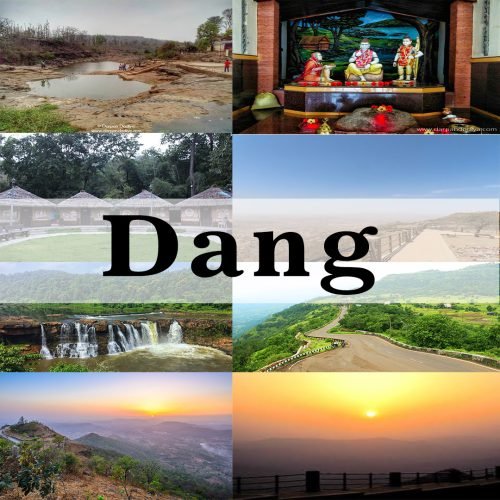
Table of Contents
Nestled in the lush green hills of southern Gujarat, Dang District is one of the most beautiful and culturally rich regions in the state. Known for its dense forests, breathtaking waterfalls, vibrant tribal traditions, and deep connections to the ancient Ramayana, Dang offers a unique blend of nature, history, and spirituality. Often called the “Kashmir of Gujarat,” this scenic district is a paradise for nature lovers, adventure seekers, and cultural explorers.
How Did Dang Get Its Name?
The Mythological Connection: Dandakaranya
According to the ancient epic Ramayana, this region was once part of the vast forest known as Dandakaranya, which means “Forest of Bamboo.” It is believed that Lord Rama, along with Mata Sita and Lakshmana, spent part of their exile in this sacred forest. Over centuries, the name Dandakaranya gradually evolved into Dang.
The Geographic Meaning
In local tribal dialects, the word “Dang” has meanings that perfectly describe the region:
Hilly or mountainous village
Bamboo forest
Both meanings reflect Dang’s rugged terrain and its extensive bamboo-covered landscapes.
Nicknames of Dang
The Kashmir of Gujarat
Known for its cool climate, dense forests, misty hills, and scenic beauty.
The Cherrapunji of Gujarat
Dang receives some of the highest rainfall in Gujarat, making it one of the wettest regions in the state.
Dandakaranya
Its ancient Ramayana-era name, meaning “Forest of Bamboo.”
Saputara – The Abode of Serpents
The famous hill station of Saputara derives its name from tribal traditions associated with snake worship.
Dang Express
A popular nickname of Sarita Gaikwad, the Asian Games gold medal-winning athlete from Dang.
Dang Na Gandhi
An honorary title given to Ghelubhai Naik for his remarkable contribution to tribal welfare and education.
Languages Spoken in Dang
Dangi
The most widely spoken local dialect among tribal communities. It is a unique blend of Gujarati, Marathi, and Khandeshi influences.
Gujarati
The official language used for administration, education, and government services.
Marathi
Commonly spoken in villages located near the Maharashtra border.
Tribal Languages
Several indigenous communities also speak dialects such as:
Bhili
Kukna
Gamit
Famous Festivals of Dang
Dang’s festivals showcase its vibrant tribal culture and deep-rooted traditions.
1. Dangs Darbar
The most famous festival of Dang, held annually in Ahwa before Holi.
Highlights:
Honors the five traditional tribal kings of Dang.
Colorful tribal processions.
Traditional folk music and dance performances.
Thousands of participants dressed in traditional attire.
2. Holi (Shimga)
One of the most sacred festivals for the tribal communities.
3. Akhatrij
Marks the beginning of the farming season.
Importance:
Farmers offer prayers for a successful harvest and seek blessings from nature and local deities.
4. Saputara Monsoon Festival
Organized during the rainy season.
Attractions:
Cultural performances
Tribal handicrafts
Local food stalls
Nature activities
5. Dungardev Festival
A traditional tribal festival dedicated to Dungardev, the guardian deity of the hills and forests.
Traditional Dress of Dang
The traditional clothing of Dang reflects practicality, culture, and colorful tribal identity.
Women’s Traditional Attire
Lugra (Saree)
A short nine-yard saree draped in the Kashta style for ease of movement.
Common Colors
- Bright yellow
- Saffron
- Maroon
- Emerald green
Choli
A simple, fitted blouse paired with the saree.
Men’s Traditional Attire
Dhoti
Comfortable and suitable for the hilly terrain.
Cotton Shirt or Tunic
Often worn in vibrant colors during festivals.
Feto (Turban)
A colorful turban used for protection and cultural identity.
Traditional Jewelry
Popular ornaments include:
- Silver chokers
- Coin necklaces
- Thick anklets
- Brass ghungroos worn during folk dances
Famous Food and Dishes of Dang
Dang’s cuisine is simple, nutritious, and closely connected to nature.
Staple Foods
Nagli No Rotlo
A healthy finger millet flatbread rich in iron and calcium.
Rice Flour Rotlo
A soft and popular local bread.
Nagli Na Papad
A crispy accompaniment made from millet.
Traditional Curries and Sides
Black Urad Dal
A smoky and flavorful lentil preparation.
Bhujiyu
A traditional mixture of gram flour, onions, and spices.
Bamboo Shoot Sabzi
One of Dang’s most unique forest delicacies.
Garlic Chutney
A spicy side dish that enhances traditional meals.
Famous Specialty Dish
Matka Chicken
Chicken slow-cooked in a clay pot using traditional tribal techniques, producing a rich smoky flavor.
Traditional Drinks
- Hibiscus Sherbet
- Mahua-based beverages
Arts and Handicrafts of Dang
Dang’s tribal communities have preserved remarkable artistic traditions for generations.
Bamboo Craft
The most famous handicraft of Dang.
Popular Products:
- Baskets
- Mats
- Furniture
- Decorative items
- Storage containers
Warli Painting
A renowned tribal art form featuring geometric patterns and scenes from daily life.
Common Themes:
- Nature
- Farming
- Tribal dances
- Community celebrations
Wood Carving
Craftsmen create beautiful decorative pieces from locally available teak wood.
Traditional Musical Instruments
Artisans craft instruments such as:
- Tadpur
- Dhol
- Bamboo flutes
Terracotta Pottery
Traditional clay products include:
- Cooking pots
- Water storage vessels
- Earthen stoves
Famous Pilgrimage Sites in Dang
1. Shabari Dham
Believed to be the sacred place where Mata Shabari welcomed Lord Rama and offered him berries.
2. Pampa Sarovar
A holy lake associated with Sage Matanga and the Ramayana.
3. Pandava Caves
Ancient caves linked to the Pandavas during their exile.
4. Nageshwar Mahadev Temple
An important Shiva temple connected to local tribal traditions.
Best Places to Visit in Dang
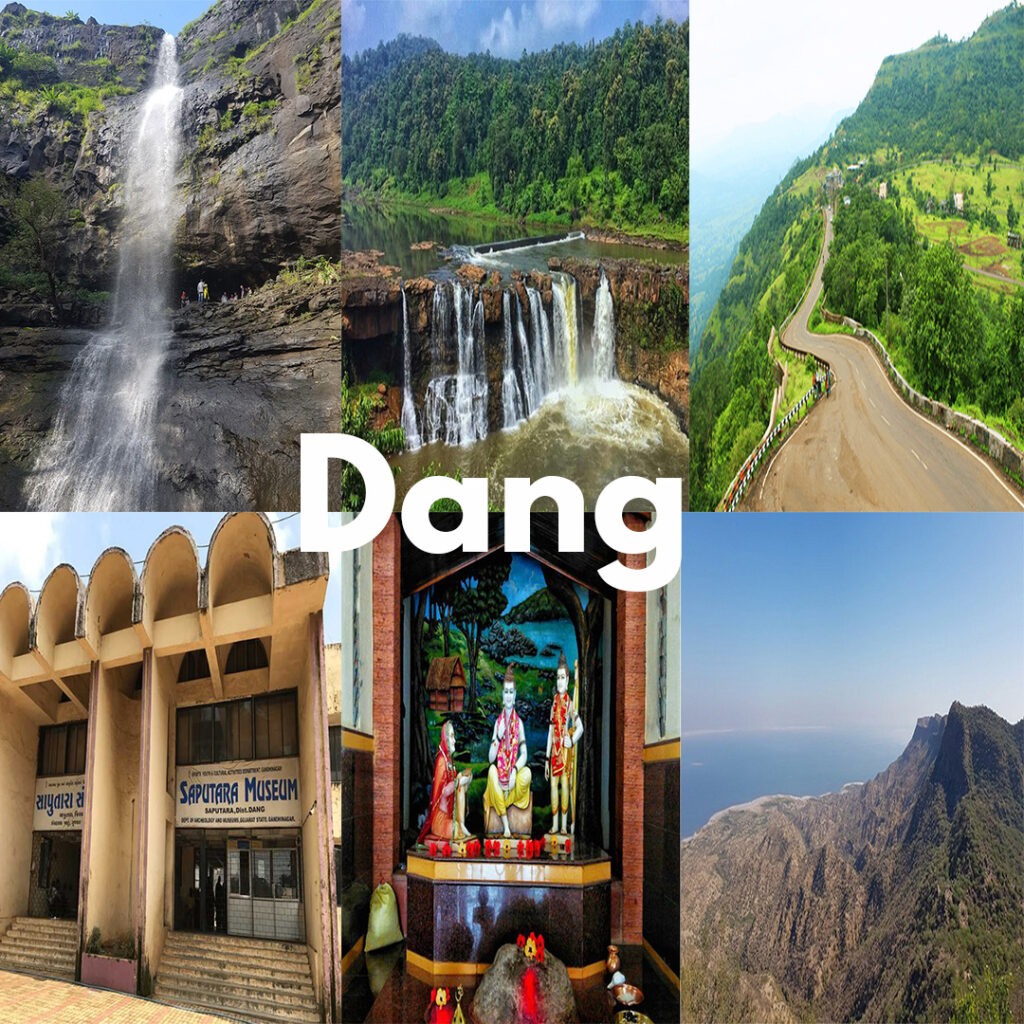
1. Saputara Hill Station
The only hill station in Gujarat, famous for its cool weather and scenic landscapes.
2. Don Hill Station
A peaceful destination offering panoramic views of the Sahyadri hills.
3. Gira Waterfalls
One of Gujarat’s most spectacular waterfalls.
4. Purna Wildlife Sanctuary
A haven for wildlife enthusiasts and nature lovers.
5. Waghai Botanical Garden
Home to diverse plant species and beautiful landscapes.
6. Shabari Dham and Pampa Sarovar
Perfect destinations for spiritual travelers.
Best Time to Visit Dang
Monsoon (July to September) Why Visit?
Lush greenery
Spectacular waterfalls
Mist-covered hills
Saputara Monsoon Festival
Winter (October to February) Why Visit?
Pleasant temperatures
Ideal sightseeing weather
Wildlife exploration
Camping and outdoor activities
Early Spring (March)
Why Visit?
Experience the grand Dangs Darbar festival and witness Dang’s tribal culture at its finest.
Conclusion
Dang is one of Gujarat’s most extraordinary destinations, where mythology, nature, and tribal heritage come together in perfect harmony. From the legendary forests of Dandakaranya and sacred sites linked to Lord Rama to the breathtaking beauty of Saputara, Gira Waterfalls, and Purna Wildlife Sanctuary, every corner of Dang tells a unique story.