Narmada Travel Guide 2026 – Statue of Unity, Tourist Places, Culture, Food, Festivals & Things to Do
Introduction
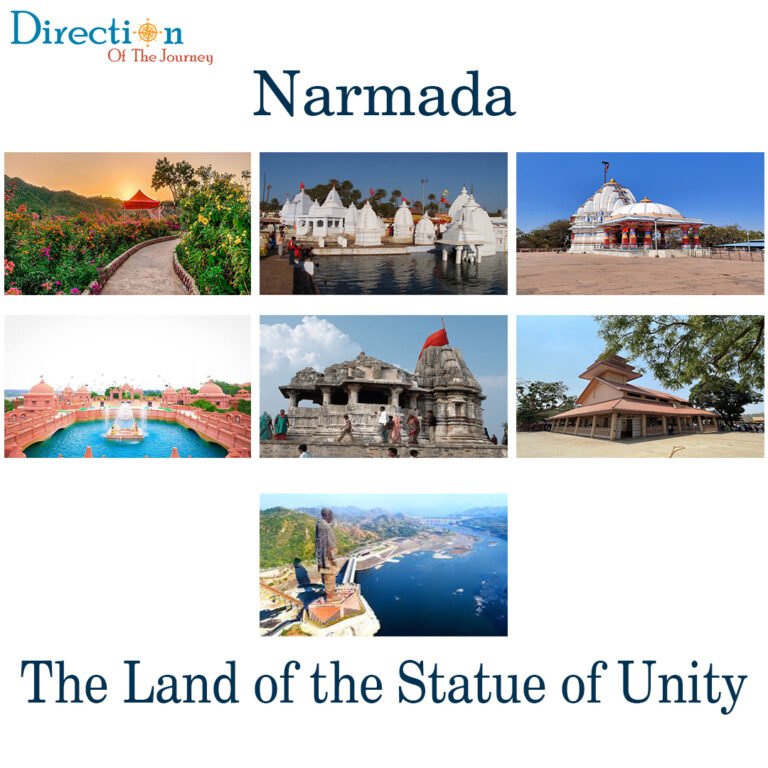
Narmada is a beautiful district in eastern Gujarat, India, known for its natural landscapes, tribal heritage, sacred river, historic temples and modern tourism attractions. The district is especially famous for the Statue of Unity, a 182-metre monument dedicated to Sardar Vallabhbhai Patel, located near Kevadia in the Narmada River region.
What Is Narmada Famous For?
Narmada district is famous for the Statue of Unity, Sardar Sarovar Dam, Narmada River, scenic waterfalls, forest landscapes, pilgrimage sites and tribal culture. It is one of Gujarat’s notable destinations for nature tourism, heritage and family travel.
How Did Narmada Get Its Name?
The name Narmada is closely associated with the sacred Narmada River, which flows through central India and forms an important part of the region’s geographical and cultural identity.
The word Narmada is traditionally explained in Sanskrit through a meaning associated with bringing joy or delight. The river is revered in Hindu traditions and is connected with numerous pilgrimage places, legends and religious practices.
Narmada district in Gujarat takes its name from this important river.
What Are the Famous Nicknames of Narmada?
1. The Land of the Statue of Unity
2. The Land of the Narmada River
Which Languages Are Spoken in Narmada?
Gujarati is widely used in Narmada district, especially in towns, markets, public services and everyday communication. Hindi is also useful for visitors, while English may be understood at major tourist facilities and some hotels.
Commonly encountered languages include:
Gujarati
Hindi
English in some tourist and visitor-facing settings
Bhili and related tribal language varieties
Vasavi and other community languages
Which Are the Most Famous Festivals of Narmada?
Narmada district celebrates festivals influenced by Gujarati traditions, Hindu religious observances and the customs of local tribal communities. Festival dates and practices vary between villages and communities.
1. Navratri
2. Diwali
3. Holi
4. Uttarayan
5. Janmashtami
6. Maha Shivratri
7. Tribal Community Festivals
8. Harvest and Seasonal Celebrations
What Are the Famous Folk Dances and Folk Theatre of Narmada?
1. Garba
2. Dandiya Raas
3. Tribal Folk Dance
4. Wedding and Community Dances
5. Bhavai Folk Theatre
6. Dayro and Folk Storytelling
What Is the Famous Food of Narmada?
1. Gujarati Thali
A Gujarati thali offers a variety of dishes in one meal. Depending on the restaurant, it may include:
Rotli or puri
Dal or kadhi
Seasonal vegetables
Rice or khichdi
Farsan
Pickles and chutneys
Papad
A traditional sweet
Chaas
2. Bajra Rotla
3. Rotli and Shaak
4. Dal and Khichdi
5. Sev Tameta
6. Dhokla
7. Khaman
8. Local Tribal Food Traditions
9. Seasonal Vegetables and Local Produce
10. Gujarati Sweets and Chaas
Which Art and Handicrafts Are Famous in Narmada?
1. Tribal Handicrafts
2. Traditional Beadwork and Ornaments
3. Embroidery and Decorative Textiles
4. Handwoven Textiles
5. Bamboo and Natural-Material Crafts
What Is the Traditional Dress of Narmada?
Traditional Dress for Women
Traditional women’s clothing in the wider region may include:
Sarees
Ghagra or skirt-style garments
Chaniya choli for festive occasions
Blouses and traditional wraps
Embroidered or patterned textiles
Traditional jewellery and ornaments
Traditional Dress for Men
Traditional men’s clothing may include:
Dhoti or other traditional lower garments
Kurta
Shirts and trousers
Traditional headwear on certain occasions
Community-specific ornaments or accessories
Which Are the Most Famous Pilgrimage Places in Narmada?
1. Devmogra Temple
Devmogra Temple is an important pilgrimage site associated with the worship of a goddess revered by local tribal communities, particularly in the Satpura region.
2. Harsiddhi Mata Temple, Rajpipla
Harsiddhi Mata Temple is a well-known religious site in Rajpipla. Devotees visit to offer prayers and seek blessings.
3. Nilkanth Dham, Poicha
Nilkanth Dham is a Swaminarayan temple complex located at Poicha on the bank of the Narmada River. It is known for its religious architecture and extensive grounds.
4. Shoolpaneshwar Mahadev Temple
Shoolpaneshwar Mahadev Temple is associated with the worship of Lord Shiva in the wider Narmada region.
Its natural surroundings make it an interesting destination for visitors interested in both pilgrimage and the landscape.
5. Narmada River Pilgrimage Sites
The Narmada River is sacred to many Hindus. Riverbanks and ghats in the wider region may be used for prayer, rituals and other religious observances.
6. Nearby Temples and Local Shrines
Narmada district has other temples and local shrines that serve nearby communities. Their importance and visiting arrangements vary by location.
What Are the Best Tourist Places to Visit in Narmada?
1. Statue of Unity
The Statue of Unity is the district’s most famous attraction. It stands 182 metres tall and honours Sardar Vallabhbhai Patel.
2. Sardar Sarovar Dam
Sardar Sarovar Dam is one of the major attractions in the Narmada region. It is a significant infrastructure project on the Narmada River.
3. Valley of Flowers
The Valley of Flowers near the Statue of Unity is a landscaped garden featuring a variety of flowering plants and designed walking areas.
4. Zarwani Waterfall
Zarwani Waterfall is a natural attraction surrounded by forest landscapes in the Narmada region.
The waterfall is particularly appealing to nature enthusiasts, but water levels and access can vary with rainfall and local regulations.
5. Ninai Waterfall
Ninai Waterfall is located in the Dediapada area and is known for its natural surroundings.
It is a useful option for travellers interested in exploring the district beyond Kevadia and the Statue of Unity complex.
6. Shoolpaneshwar Wildlife Sanctuary
Shoolpaneshwar Wildlife Sanctuary protects forest habitats and wildlife in the wider Narmada region.
The area is important for biodiversity and offers opportunities to learn about the region’s natural environment. Wildlife sightings are never guaranteed.
7. Sardar Sarovar Reservoir Viewpoints
The reservoir and river landscape around the dam offer scenic views from designated locations.
Choose authorised viewpoints and follow safety instructions. Do not enter restricted infrastructure areas.
8. Rajpipla
Rajpipla is the district headquarters and a useful base for exploring parts of Narmada district.
Visitors can explore local markets, religious sites and the town’s cultural atmosphere. The town also provides access to attractions in the surrounding region.
9. Harsiddhi Mata Temple
Harsiddhi Mata Temple in Rajpipla is a religious attraction that can be included in a cultural visit to the town.
10. Devmogra Temple
Devmogra Temple is an important pilgrimage site associated with local religious traditions and tribal communities.
Plan the visit respectfully and check local arrangements if travelling during a festival.
11. Nilkanth Dham, Poicha
Nilkanth Dham is a major Swaminarayan temple complex located beside the Narmada River at Poicha.
Its architecture and large grounds attract devotees and families. Since it is outside the immediate Statue of Unity visitor complex, allow time for the journey.
12. Ekta Mall
Ekta Mall near the Statue of Unity brings together handicrafts, textiles and products associated with different Indian states.
13. Arogya Van
Arogya Van is a themed garden attraction in the Statue of Unity area, associated with medicinal plants and wellness-related displays.
14. Butterfly Garden
The Butterfly Garden is a landscaped attraction in the Statue of Unity tourism area. It offers visitors an opportunity to learn about butterflies and their habitats.
15. Cactus Garden
The Cactus Garden displays cactus and succulent plants from different environments.
It can be an interesting stop for visitors who enjoy gardening, botany and unusual plant collections.
16. Other Statue of Unity Area Attractions
Depending on current operations and ticket arrangements, visitors may also find attractions such as the Jungle Safari, Glow Garden, Vishwa Van, Ekta Nursery and other themed gardens in the wider tourism area.
Which Activities Can You Do in Narmada?
1. Visit the Statue of Unity
Explore the monument and its visitor facilities. Depending on the ticket purchased, you may have access to selected areas, exhibitions or the viewing gallery.
2. Learn About Sardar Vallabhbhai Patel
Explore the exhibitions and museum facilities associated with the Statue of Unity to learn about Patel’s role in India’s independence movement and the integration of princely states.
3. Admire the Narmada River Landscape
Enjoy views of the river, reservoir and surrounding hills from authorised viewpoints.
Follow safety instructions and do not enter restricted areas near the dam or water infrastructure.
4. Explore Gardens
Visit attractions such as the Valley of Flowers, Arogya Van, Butterfly Garden or Cactus Garden if they are open during your trip.
These sites can add variety to a family itinerary.
5. Visit Waterfalls
Explore Zarwani or Ninai Waterfall when access and weather conditions are suitable.
Wear sturdy footwear, avoid slippery rocks and follow local safety guidance. Avoid waterfall visits during dangerous rainfall or flooding conditions.
6. Explore Local Temples
Visit Devmogra Temple, Harsiddhi Mata Temple, Shoolpaneshwar Mahadev Temple or Nilkanth Dham, depending on your route and interests.
Respect religious customs and check opening arrangements before travelling.
7. Experience Local Food
Try Gujarati thali, bajra rotla, seasonal vegetable dishes, dal, khichdi and regional snacks.
If you want to learn about tribal food traditions, seek a community-led experience and ask about ingredients and preparation.
8. Discover Tribal Culture
Learn about local customs, traditional music, crafts and community life through respectful, locally guided experiences.
Avoid treating tribal villages as tourist displays. Choose activities that involve community consent and benefit local participants.
9. Go for Nature Walks
Nature walks may be possible in authorised locations and organised tourism areas. Check whether a guide is required, especially in or near protected forest areas.
10. Shop for Handicrafts
Browse traditional textiles, souvenirs and craft products at Ekta Mall or established local shops.
Ask about the origin and production method of handmade items.
11. Enjoy Photography
The Statue of Unity, gardens, river landscapes and waterfalls offer many photographic opportunities. Follow restrictions around monuments, religious sites, wildlife areas and security-sensitive locations.
12. Plan a Family Trip
Families can combine the Statue of Unity, selected gardens and visitor attractions into a planned itinerary. Allow time for transport between attractions and breaks during hot weather.
When Is the Best Time to Visit Narmada?
October to November
This period is suitable for exploring the Statue of Unity, gardens, temples and other attractions. The post-monsoon landscape can be green, although conditions vary by rainfall.
It may also coincide with Navratri or Diwali, depending on the year.
December to February
Winter is generally a comfortable time for sightseeing, visiting monuments, exploring gardens and taking planned day trips.
This is a good period for first-time visitors who want to combine several attractions without the intense summer heat.
March
March can be suitable for sightseeing, but temperatures begin to rise. Plan outdoor activities earlier in the day and carry drinking water.
April to June
Summer can be hot, especially during the middle of the day. Choose indoor visitor facilities during the hottest hours, wear sun protection and stay hydrated.
Frequently Asked Questions About Narmada
What Is Narmada Famous For?
Narmada district in Gujarat is famous for the Statue of Unity, Sardar Sarovar Dam, Narmada River, Zarwani Waterfall, Ninai Waterfall, temples, forest landscapes and tribal culture.
Where Is Narmada District Located?
Narmada district is located in eastern Gujarat, India. Rajpipla is its district headquarters.
Why Is Narmada Named After the River?
The district takes its name from the Narmada River, which is an important geographical and sacred feature of the region.
What Is the Most Famous Tourist Attraction in Narmada?
The Statue of Unity is the district’s most famous tourist attraction. The monument is 182 metres tall and is dedicated to Sardar Vallabhbhai Patel.
What Is the Famous Food of Narmada?
Visitors can try Gujarati thali, bajra rotla, rotli with seasonal vegetables, dal, khichdi, dhokla, khaman and chaas. Local food traditions vary between communities.
Which Languages Are Spoken in Narmada?
Gujarati and Hindi are useful for visitors. Tribal communities also speak Bhili-related varieties, Vasavi and other local languages, depending on the area.
Which Festivals Are Celebrated in Narmada?
Navratri, Diwali, Holi, Uttarayan, Janmashtami and Maha Shivratri are celebrated in the wider region. Tribal communities also observe their own seasonal and cultural festivals.
What Are the Best Places to Visit in Narmada?
Popular attractions include the Statue of Unity, Sardar Sarovar Dam viewpoints, Valley of Flowers, Zarwani Waterfall, Ninai Waterfall, Shoolpaneshwar Wildlife Sanctuary, Devmogra Temple, Harsiddhi Mata Temple and Nilkanth Dham at Poicha.
What Is the Best Time to Visit Narmada?
October to February is generally a comfortable time for sightseeing. Monsoon visits can offer green landscapes and flowing waterfalls, but weather and access conditions need careful checking.
How Many Days Are Enough for Narmada?
Two days are a useful starting point for the Statue of Unity and nearby attractions. Three days allow more time for temples, nature spots and other parts of the district.
Is Narmada Suitable for a Family Trip?
Yes. The Statue of Unity and its surrounding attractions offer options for families, while temples and nature destinations provide additional experiences. Plan around travel times, weather and children’s needs.
Is Narmada Good for Nature Tourism?
Yes. The district has waterfalls, forests, river landscapes and protected wildlife areas. Visitors should follow local safety guidance and conservation rules.