Nagaland Travel Guide 2026 – Culture, Festivals, Food, Tribes, Tourist Places & Best Time to Visit
Nagaland Travel Guide 2026
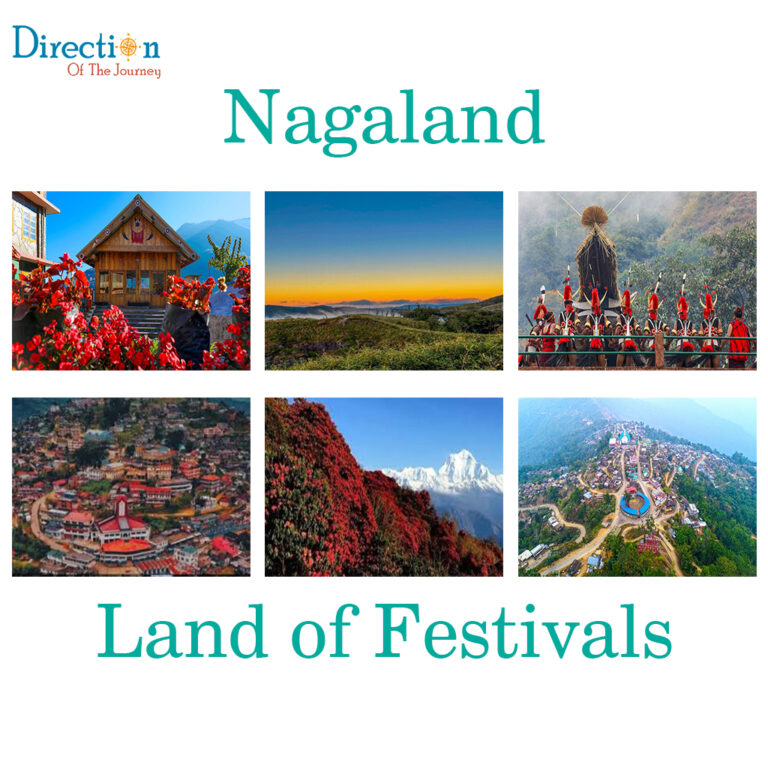
Nagaland is a fascinating state in Northeast India, known for its diverse Naga communities, spectacular hills, colorful tribal traditions, traditional music and dance, indigenous cuisine, handwoven textiles and vibrant festivals.
The state is particularly famous for the Hornbill Festival, Naga heritage, Kohima, Dzüko Valley, Khonoma Village, Japfü Peak and traditional handicrafts.
What Is Nagaland Famous For?
Major Things Nagaland Is Famous For
- Hornbill Festival
- Naga tribal cultures
- Kohima
- Dzüko Valley
- Khonoma Village
- Japfü Peak
- Kisama Heritage Village
- Traditional Naga shawls
- Bamboo and cane crafts
- Naga cuisine
- Smoked and fermented foods
- Folk songs and dances
- World War II history
- Scenic mountain landscapes
- Morungs and traditional village architecture
How Did Nagaland Get Its Name?
The name Nagaland is derived from the term “Naga,” which is used as a broad term for the many indigenous communities of the region.
The exact origin and etymology of the word Naga are debated, and different historical explanations have been proposed.
The suffix “land” simply refers to the territory or homeland of the Naga peoples.
Therefore, Nagaland can broadly be understood as the land inhabited by Naga communities.
What Are the Famous Nicknames of Nagaland?
Popular Names Associated With Nagaland
- Land of Festivals
- Land of the Nagas
- Land of Warriors – a historical and cultural description
- Falcon Capital of the World – associated particularly with the large Amur falcon migration around the Doyang Reservoir region
Which Languages Are Spoken in Nagaland?
Major Languages and Dialects of Nagaland
- Nagamese
- Ao
- Angami
- Sumi
- Lotha
- Konyak
- Chakhesang
- Chang
- Phom
- Rengma
- Zeliang
- Yimkhiung
- Sangtam
- Khiamniungan
Which Are the Most Famous Festivals of Nagaland?
Hornbill Festival
The Hornbill Festival is Nagaland’s most famous cultural festival.
It is generally held in December at Kisama Heritage Village near Kohima.
The festival brings together cultural traditions from different Naga communities.
What Can You Experience at the Hornbill Festival?
- Traditional dances
- Folk songs
- Indigenous games
- Handicrafts
- Traditional food
- Cultural performances
- Traditional costumes
- Local music
- Art exhibitions
The festival has become one of the most important cultural tourism events in Northeast India.
Moatsu Festival
Moatsu is celebrated by the Ao Naga community.
It is traditionally associated with the completion of agricultural activities and is marked by community celebrations, singing and dancing.
Sekrenyi Festival
Sekrenyi is an important festival of the Angami Naga community.
It is associated with purification, renewal and traditional community practices.
Aoleang Festival
Aoleang is an important festival of the Konyak community.
It traditionally marks the arrival of spring and the beginning of the agricultural cycle.
Tuluni Festival
Tuluni is celebrated by the Sumi Naga community.
It is associated with agriculture, community celebrations and thanksgiving.
Tokhu Emong
Tokhu Emong is an important harvest festival of the Lotha Naga community.
It is celebrated with feasting, social gatherings, songs and traditional activities.
What Are the Famous Folk Dances and Folk Theatre of Nagaland?
Chang Lo
Chang Lo, also known as Sua Lua, is a traditional dance associated with the Chang Naga community.
It is performed during festivals and cultural celebrations.
War Dance
Traditional Naga war dances represent the historical warrior traditions of different Naga communities.
They are characterized by:
- Rhythmic movements
- Traditional weapons
- Group formations
- Drums
- Community songs
Today, these performances are primarily cultural representations rather than displays of warfare.
Bamboo Dance
Some Naga communities perform traditional dances involving bamboo and coordinated rhythmic movements.
Folk Songs
Traditional Naga folk songs preserve stories about:
- Community history
- Agriculture
- Love
- War
- Nature
- Ancestors
- Social traditions
Folk Storytelling
Oral storytelling has traditionally played an important role in passing knowledge and cultural history from one generation to another.
Traditional village spaces, including morungs, historically served important educational and social functions.
What Is the Famous Food of Nagaland?
Famous Foods of Nagaland
- Smoked pork
- Pork with bamboo shoot
- Axone or Akhuni dishes
- Fermented soybean preparations
- Galho
- Bamboo shoot dishes
- Naga-style vegetables
- Sticky rice
- Naga King Chili preparations
Smoked Pork
Smoked pork is one of the most recognizable foods associated with Naga cuisine.
The meat is traditionally smoked and may be cooked with local herbs, vegetables or bamboo shoots.
Pork with Bamboo Shoot
Bamboo shoot is widely used in Naga cooking and provides a distinctive flavor to pork and other dishes.
Axone
Axone, also called akhuni, is a fermented soybean product used in several Naga dishes.
It has a strong and distinctive flavor and is an important part of the cuisine of several communities.
Galho
Galho is a traditional rice-based dish that can be prepared with vegetables and meat.
It is often compared to a simple rice porridge or one-pot meal.
Naga King Chili
The Naga King Chili, locally known by names including bhut jolokia in broader Northeast Indian usage, is famous for its intense heat.
It is used in traditional cooking and is an important part of Nagaland’s culinary identity.
Which Art and Handicrafts Are Famous in Nagaland?
Naga Shawls
Traditional Naga shawls are among the state’s most famous handicrafts.
Different communities have distinctive designs, colors and patterns.
Historically, certain motifs and patterns could communicate information about the wearer’s community and social identity.
Bamboo and Cane Crafts
Bamboo and cane are widely used to create:
- Baskets
- Mats
- Furniture
- Storage containers
- Decorative objects
- Household products
Wood Carving
Traditional wood carving is visible in:
- Village structures
- Decorative objects
- Traditional posts
- Cultural displays
- Household items
Beadwork
Traditional ornaments made from beads are used as part of ceremonial and cultural clothing.
Other Famous Handicrafts
- Naga shawls
- Handwoven textiles
- Bamboo baskets
- Cane products
- Wood carvings
- Beaded ornaments
- Traditional jewelry
- Handcrafted accessories
What Is the Traditional Dress of Nagaland?
Traditional Dress for Women
Traditional women’s clothing can include:
- Wraparound skirts
- Shawls
- Colorful woven textiles
- Beaded necklaces
- Traditional ornaments
- Decorative accessories
Traditional Dress for Men
Traditional men’s clothing can include:
- Shawls
- Wraparound garments
- Headgear
- Beaded ornaments
- Traditional accessories
Naga Shawls
Naga shawls are particularly important because designs and colors have traditionally been associated with specific communities and cultural identities.
Today, traditional clothing is especially visible during festivals, cultural performances and ceremonial occasions.
Which Are the Most Famous Pilgrimage Places in Nagaland?
Cathedral of Mary Help of Christians – Kohima
The Cathedral of Mary Help of Christians is one of Kohima’s most prominent religious landmarks.
It is known for its distinctive architecture and location overlooking the city.
Sumi Baptist Church – Zunheboto
Baptist churches have played a significant role in the religious and social history of Nagaland.
Sumi Baptist Church and other major churches are important places of worship for local communities.
Ao Baptist Church Heritage
Churches throughout the Ao-inhabited areas are significant to the cultural and religious history of the region.
Kohima Churches
Several historic and prominent churches in Kohima are important religious landmarks and can be included in a cultural or religious itinerary.
Religious Tourism in Nagaland
Visitors interested in religious heritage can explore:
- Cathedrals
- Baptist churches
- Historic mission sites
- Local village churches
- Christian heritage institutions
What Are the Best Tourist Places to Visit in Nagaland?
Kohima
Kohima is the capital of Nagaland and one of the state’s most important cultural destinations.
Places to Visit in Kohima
- Kohima War Cemetery
- State Museum
- Cathedral of Mary Help of Christians
- Kisama Heritage Village
- Naga Heritage Village
- Local markets
- Surrounding hill viewpoints
Kisama Heritage Village
Kisama Heritage Village is located near Kohima and is best known as the main venue for the Hornbill Festival.
The village showcases traditional Naga architectural styles and cultural traditions.
Dzüko Valley
Dzüko Valley is one of Nagaland’s most beautiful natural destinations.
It is famous for:
- Rolling green hills
- Seasonal flowers
- Trekking
- Mountain landscapes
- Photography
The valley is located near the Nagaland–Manipur border.
Japfü Peak
Japfü Peak is one of Nagaland’s highest mountain peaks and is popular with trekkers and adventure travelers.
The surrounding region offers spectacular views of the hills.
Khonoma Village
Khonoma is a historic Angami village known for its beautiful landscapes, traditional architecture and community-based conservation efforts.
It is often described as India’s first green village, although this is primarily a popular tourism description rather than an official title.
Kohima War Cemetery
The Kohima War Cemetery commemorates soldiers who died during the Battle of Kohima in World War II.
It is an important historical site and one of the most significant war memorials in Northeast India.
Mokokchung
Mokokchung is an important cultural center of the Ao Naga community.
The district is known for:
- Ao culture
- Traditional villages
- Festivals
- Hills
- Local handicrafts
Longwa Village
Longwa is located in Mon district near the international border with Myanmar.
It is famous for its unique cultural setting and the traditional home of the village chief, whose house is associated with both sides of the international boundary.
Mon
Mon district is known for its Konyak Naga heritage, traditional villages, festivals and cultural traditions.
Tuophema Village
Tuophema is a popular cultural tourism village near Kohima where visitors can experience traditional Naga village life, food and hospitality.
Wokha
Wokha is known for its beautiful hills, forests and Lotha Naga culture.
It is particularly scenic during the flowering season of local plants and trees.
Doyang Reservoir
Doyang Reservoir is famous for its spectacular seasonal gathering of Amur falcons.
During the migration season, thousands of these birds can be seen in the region.
The phenomenon has made the area an important destination for birdwatching.
When Is the Best Time to Visit Nagaland?
The best time to visit Nagaland is generally from October to May, depending on the activities you want to experience.
October to May – Best Overall Period
This period is generally suitable for:
- Sightseeing
- Village tours
- Trekking
- Photography
- Cultural tourism
- Exploring Kohima
- Visiting Dzüko Valley
December – Best for Hornbill Festival
December is particularly popular because of the Hornbill Festival, generally held in the first week of December at Kisama Heritage Village.
This is one of the best times to experience Nagaland’s cultural diversity in one place.
November to April – Good for Outdoor Activities
The cooler and generally drier months are suitable for:
- Trekking
- Hiking
- Village exploration
- Photography
- Wildlife experiences
October to November – Amur Falcon Season
The Doyang Reservoir region is particularly interesting during the annual migration of Amur falcons.
June to September – Monsoon
Nagaland receives significant rainfall during the monsoon.
The landscape becomes lush and green, but heavy rain can make mountain roads and trekking routes more challenging.
Frequently Asked Questions About Nagaland
What is Nagaland most famous for?
Nagaland is most famous for its Naga tribal cultures, Hornbill Festival, traditional handicrafts, colorful shawls, folk dances, distinctive cuisine, mountain landscapes and historical sites such as the Kohima War Cemetery.
Why is Nagaland called the Land of Festivals?
Nagaland is often called the Land of Festivals because its many Naga communities have their own traditional festivals associated with agriculture, harvest, community life and cultural identity.
What is the famous food of Nagaland?
Smoked pork, pork with bamboo shoot, axone-based dishes, galho, traditional vegetables and Naga King Chili preparations are among the foods associated with Nagaland.
Which dance is famous in Nagaland?
Nagaland has many community-specific dances. Chang Lo, traditional warrior dances and other Naga folk dances are among the best-known cultural performances.
What handicrafts is Nagaland famous for?
Nagaland is famous for Naga shawls, handwoven textiles, bamboo and cane crafts, wood carvings, beadwork and traditional ornaments.
What is the traditional dress of Nagaland?
There is no single traditional dress for the entire state. Different Naga communities have distinctive clothing, including colorful shawls, wraparound garments, woven textiles and traditional ornaments.
Which is the most famous religious place in Nagaland?
The Cathedral of Mary Help of Christians in Kohima is one of Nagaland’s most recognizable religious landmarks. Churches and Christian institutions are important throughout the state.
Which is the most famous tourist place in Nagaland?
Kohima is the state’s main cultural and tourism center. Other highly popular destinations include Dzüko Valley, Kisama Heritage Village, Khonoma Village, Japfü Peak and Longwa.
What is the best month to visit Nagaland?
December is one of the most popular months because of the Hornbill Festival. For general sightseeing and outdoor activities, October to May is generally favorable.
How many days are enough to explore Nagaland?
A 5–7 day itinerary can cover Kohima, Kisama, Khonoma and Dzüko Valley. Around 8–12 days allows more time for destinations such as Mokokchung, Wokha, Mon and Longwa.
Is Nagaland safe for tourists?
Nagaland is visited by domestic and international travelers, but visitors should check current travel requirements, local advisories and road conditions before traveling, especially when visiting remote or border areas.